Tiles Consumer Segmentation
Our proprietary classification system divides European neighborhoods into nine distinct consumer profiles based on geographic density and socio-economic affluence.
The Methodology: A Simple, Powerful Grid
We plot every neighborhood onto a 3x3 grid, creating nine distinct "Tiles". This provides a foundational layer for deep consumer understanding. Click on any tile in the grid below to view its complete profile summary, demographics, and representative location maps.
High Affluence
Urban Elite
Suburban Sanctuaries
Refined Rurality
Mid Affluence
Metro Mix
Suburban Core
Provincial Prosperity
Low Affluence
Urban Struggles
Industrial Roots
Rural Tradition
Population by Tile
Select a country to see the estimated population percentage for each "Tile". Clicking on a bar in the chart will open that consumer profile's detailed view.
Urban Elite
The Apex of Ambition and Affluence.
Profile Summary
Located in the exclusive hearts of Europe's major cities, the Urban Elite are high-achieving professionals and established leaders. They live in premium apartments and historic townhouses, valuing luxury, convenience, and cultural experiences above all else. As tastemakers and early adopters, they have significant disposable income which they spend on fine dining, international travel, arts, and technology. They are digitally native, brand-conscious consumers who respond to sophisticated, experiential marketing and premium brand messaging. Their lifestyle is a curated blend of ambition, culture, and affluence, setting trends that ripple across consumer markets.
Where we shop
Luxury boutiques, high-end department stores, specialist online retailers, and farmers' markets for organic produce.
How we shop
Early adopters of new technology. We value quality, brand heritage, and experience over price. We use premium credit cards and mobile payments.
How to communicate
Digital-first. We respond to targeted ads on professional networks, premium publications, and high-end lifestyle social media. Experiential marketing is key.
What interests us
Arts & culture, fine dining, international travel, wellness, technology, and investments.
What we look like
High-earning singles and couples, typically aged 30-55. Highly educated professionals, managers, and creatives. Culturally diverse and style-conscious.

Where to find us
Exclusive central districts of major capital cities.
Suburban Sanctuaries
Spacious Living and Family Comfort.
Profile Summary
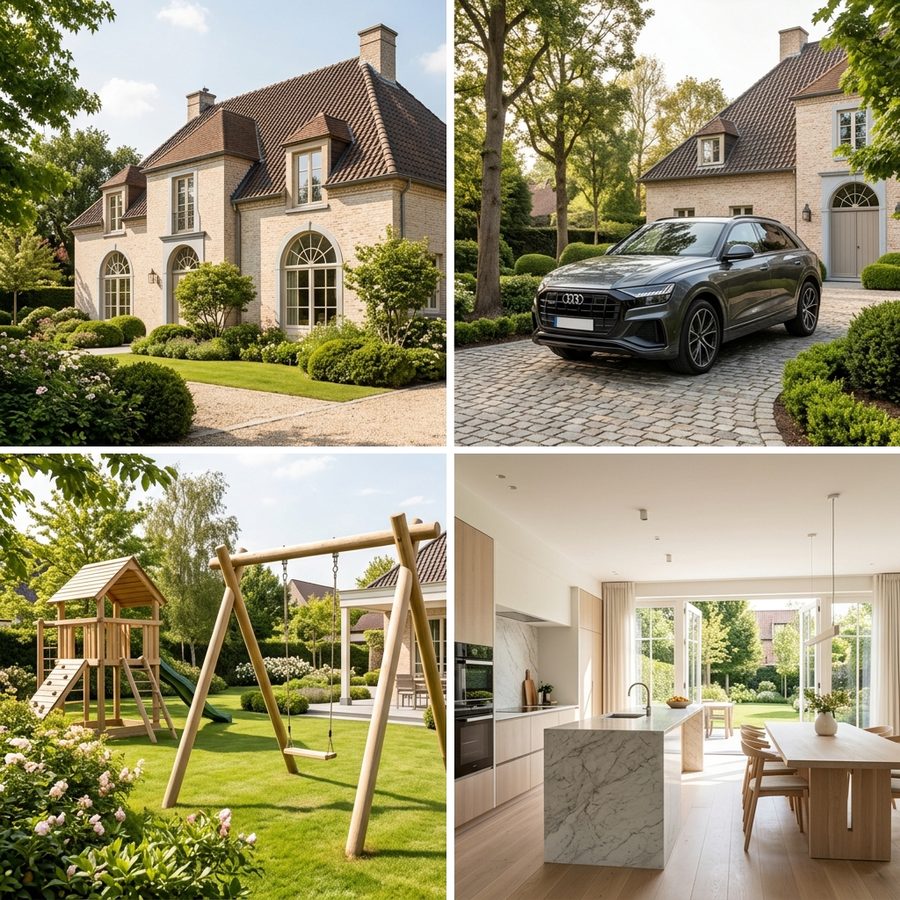
Home to high-earning established families, Suburban Sanctuaries represent affluent, leafy neighborhoods on the outskirts of major cities. These residents prioritize spacious detached properties, excellent schools, and a high quality of life. They invest heavily in their homes, gardens, and children's education. With multiple premium vehicles and active family schedules, they value convenience, safety, and community cohesion. They are brand-conscious but practical, seeking premium value and reliability in all their purchasing decisions.
Where we shop
Premium supermarkets, retail parks, garden centers, home improvement stores, and family-oriented online brands.
How we shop
Planned, bulk purchasing. High reliance on online shopping, click-and-collect, and credit cards. Value customer loyalty programs and premium brand reputations.
How to communicate
Direct mail, family-focused social media, local newsletters, and email campaigns from trusted brands.
What interests us
Home decoration, gardening, family travel, outdoor activities, school sports, and cooking.
What we look like
Affluent families, married couples with children, aged 35-60. Double-income professional households. Focus on education and suburban development.
Where to find us
Affluent, leafy suburban private estates on city outskirts.
Refined Rurality
Country Estates and Elite Escapes.
Profile Summary
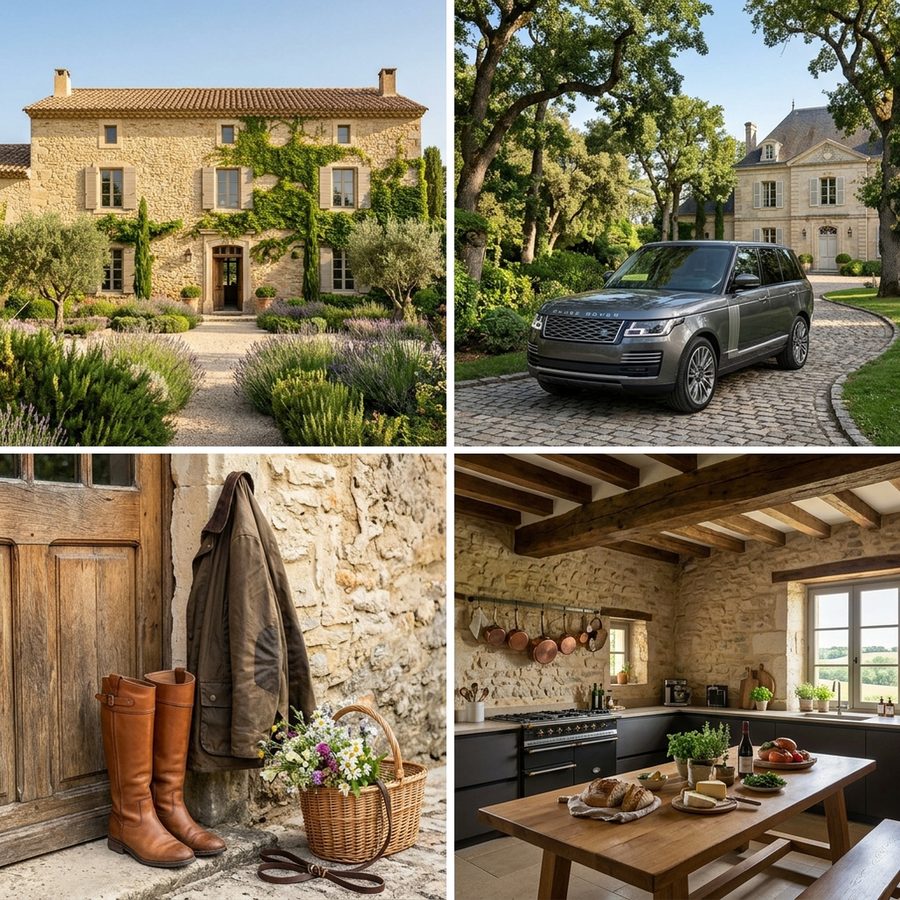
Refined Rurality characterizes wealthy residents living in scenic, high-value countryside villages and country estates. These individuals enjoy high affluence and appreciate traditional values, local heritage, and natural beauty. They tend to be older, established professionals, retirees, or business owners. They invest heavily in land, country sports, premium outdoor apparel, and organic local foods. They value quality, craftsmanship, and longevity over temporary trends.
Where we shop
Local independent grocers, farm shops, premium heritage brands, and specialist agricultural/country outfitters.
How we shop
High loyalty to local merchants and trusted luxury labels. Prefers personal service, in-store interaction, and catalog orders. High attention to material quality.
How to communicate
Quality print publications, email newsletters from heritage brands, local community notices, and premium catalogs.
What interests us
Equestrian, country sports, historic property renovation, gardening, nature conservation, and fine wines.
What we look like
Mature families, empty nesters, and retirees, aged 50+. High net-worth individuals with substantial equity and assets. Focus on tradition and conservation.
Where to find us
Historic, high-value countryside villages and heritage areas.
Metro Mix
Diverse Lifestyles and Urban Energy.
Profile Summary
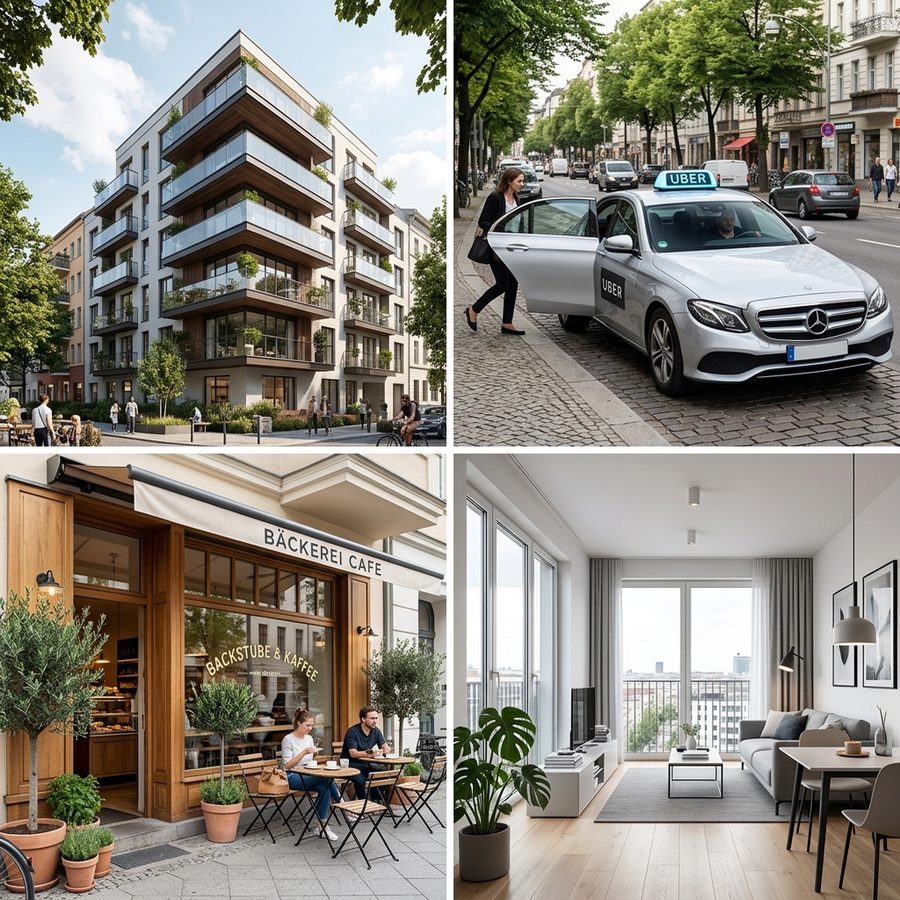
Reflecting the vibrant energy of diverse city neighborhoods, Metro Mix residents are middle-income individuals, young professionals, and creative freelancers. They live in high-density areas and value accessibility, nightlife, public transit, and a rich cultural mix. They are highly active consumers of fashion, trendy dining, street food, and music events. They represent a dynamic market segment that is highly receptive to digital marketing, novel brands, and sustainable initiatives.
Where we shop
High-street fashion stores, local convenience shops, thrift shops, and online fast-fashion/subscription brands.
How we shop
Highly digital, mobile-first shopping. Influenced heavily by social media, reviews, and influencer marketing. Frequent but lower-value transactions.
How to communicate
Instagram, TikTok, YouTube, music streaming ads, and local digital event listings.
What interests us
Modern music, streetwear, street food, urban exploration, social issues, and wellness.
What we look like
Young singles, student groups, and housemates, typically aged 20-35. Economically active with moderate disposable incomes and high brand receptivity.
Where to find us
High-density, diverse, arts-centric neighborhood in major cities.
Suburban Core
Mid-Market Families and Neighborhood Ties.
Profile Summary
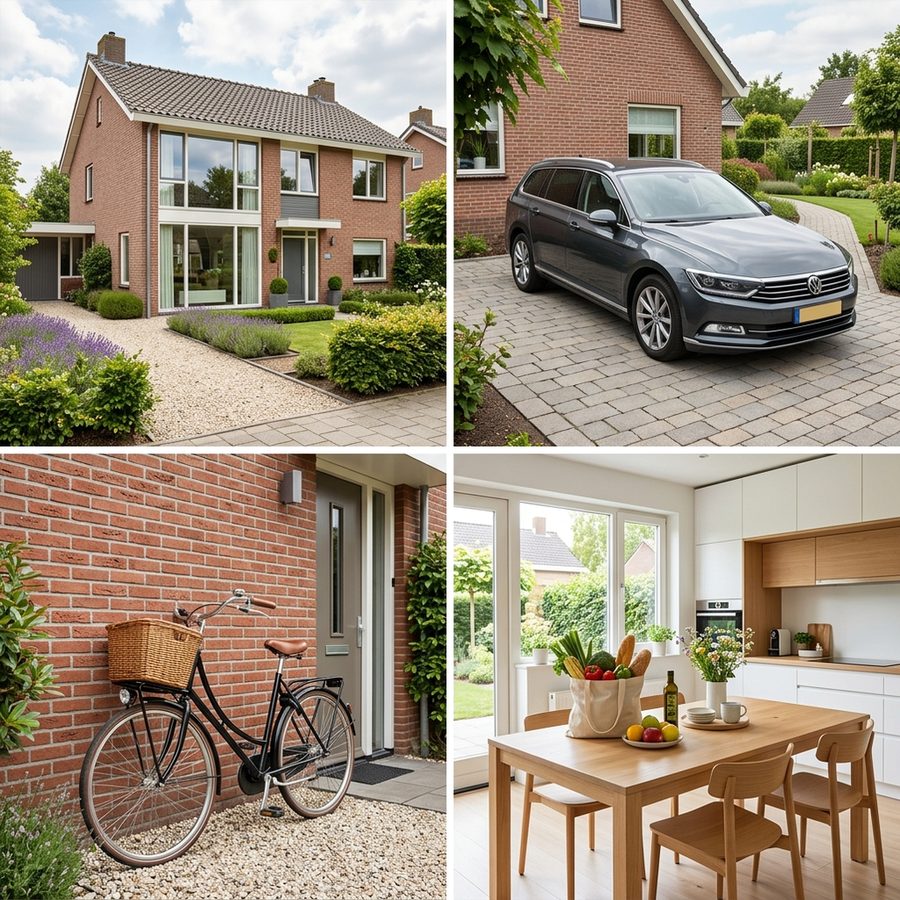
The Suburban Core represents the classic residential suburbs of major towns and cities. Home to middle-income families, these neighborhoods focus on stable careers, homeownership, and practical, comfortable lifestyles. They spend their disposable income on home maintenance, family holidays, school activities, and vehicles. They value reliability, convenience, and value for money, making them loyal customers of major retail chains and online marketplaces.
Where we shop
Mid-market supermarkets, shopping malls, DIY stores, and major online marketplaces like Amazon.
How we shop
Family-oriented, budget-conscious but willing to pay for durable goods. High use of online research, price comparison tools, and store loyalty cards.
How to communicate
Television, email promotions, parent-focused online communities, and local retail catalogs.
What interests us
DIY projects, parenting blogs, family beach holidays, domestic sports, and local community events.
What we look like
Middle-income married couples with school-aged children, aged 30-50. Steady white-collar or skilled trade professionals with solid local roots.
Where to find us
Established mid-market residential suburbs near commuter paths.
Provincial Prosperity
Steady Lifestyles in Regional Towns.
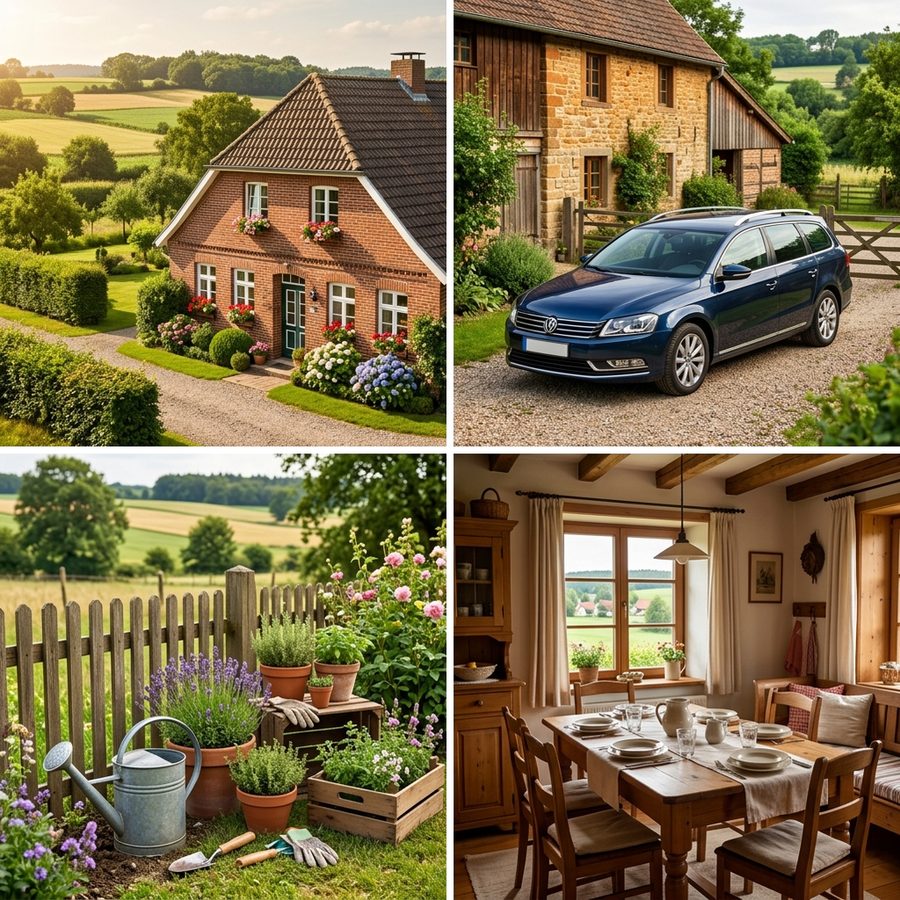
Profile Summary
Provincial Prosperity captures comfortable, middle-income residents living in stable regional towns and larger villages. These households enjoy a balanced lifestyle with steady careers in local public services, retail, or regional industries. They live in semi-detached or detached family houses and value local community life, outdoor recreation, and traditional family activities. They seek reliable, standard brands that offer value and quality.
Where we shop
Regional department stores, local high-street retailers, standard supermarkets, and family restaurants.
How we shop
Loyal to local stores and well-known national brands. Prefers in-person shopping, value-for-money deals, and straightforward product guarantees.
How to communicate
Local newspapers, regional radio, email newsletters, and direct mail flyers.
What interests us
Hiking, local heritage sites, gardening, regional sports clubs, and volunteering.
What we look like
Mid-career professionals and stable families, aged 40-65. Settled homeowners in regional communities with steady public or local enterprise jobs.
Where to find us
Comfortably off historic regional towns and agricultural hubs.
Urban Struggles
Navigating Density and Cost of Living.
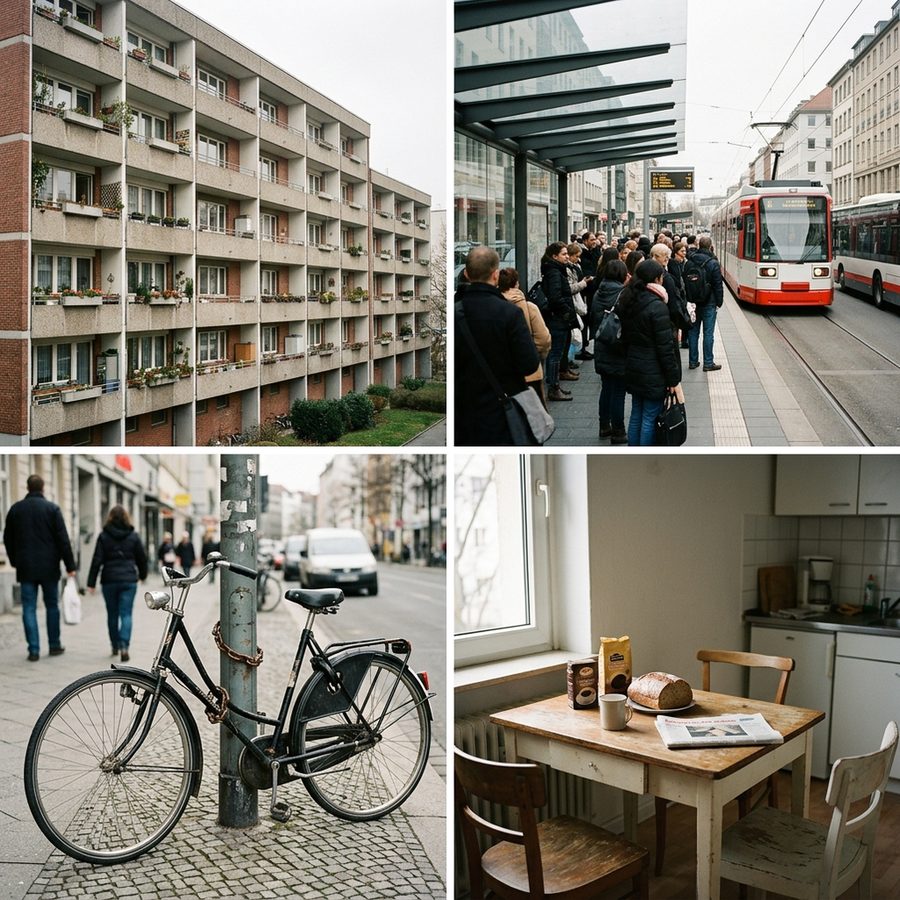
Profile Summary
Located in high-density urban areas, Urban Struggles households navigate economic challenges and a high cost of living. Often residing in social or rented apartments, they have lower disposable incomes and are highly price-sensitive. They rely heavily on public transport, municipal services, and local community support. In their consumer choices, they prioritize essentials, discount retail, and immediate utility.
Where we shop
Discount supermarkets (Aldi/Lidl), budget clothing chains, dollar/euro discount stores, and local markets.
How we shop
Highly budget-driven, cash or mobile payment oriented. Purchases are planned around payroll cycles. Receptive to steep discounts, clearances, and budget bundles.
How to communicate
Mobile messaging (WhatsApp), local community boards, budget-oriented social media channels, and public transit advertisements.
What interests us
Local community networks, public parks, budget cooking, and family-oriented local events.
What we look like
Diverse multi-generational families, single parents, and young workers, aged 20-50. Rented or social housing in dense urban settings.
Where to find us
High-density urban areas with lower average disposable income.
Industrial Roots
Working-Class Heritage and Strong Communities.
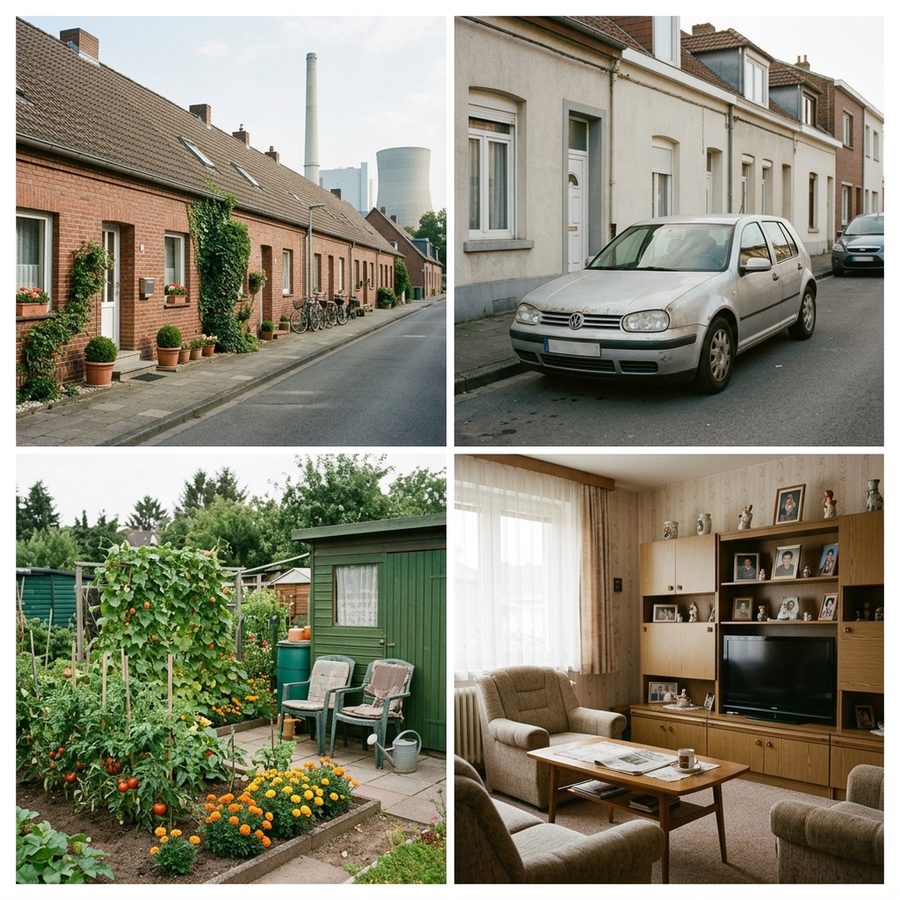
Profile Summary
Industrial Roots communities are found in manufacturing towns and post-industrial centers across Europe. These traditional working-class neighborhoods have strong community bonds and local pride. Families and mature individuals live in terraced houses or local housing developments. With modest, steady incomes, they are value-seeking consumers who support local trade, community clubs, and practical products.
Where we shop
Local high-street butchers, neighborhood shops, discount supermarkets, and regional retail parks.
How we shop
In-store, relationship-based buying. High focus on price reliability and physical durability. Receptive to practical value propositions.
How to communicate
Local community Facebook groups, local sports clubs, regional television, and direct circulars.
What interests us
Local football clubs, fishing, home renovation, car maintenance, and socializing at local pubs.
What we look like
Skilled blue-collar workers, technicians, and local industry employees, aged 35-70. Established regional communities with a industrial background.
Where to find us
Post-industrial communities with strong working-class heritage.
Rural Tradition
Agricultural Focus and Practical Value.
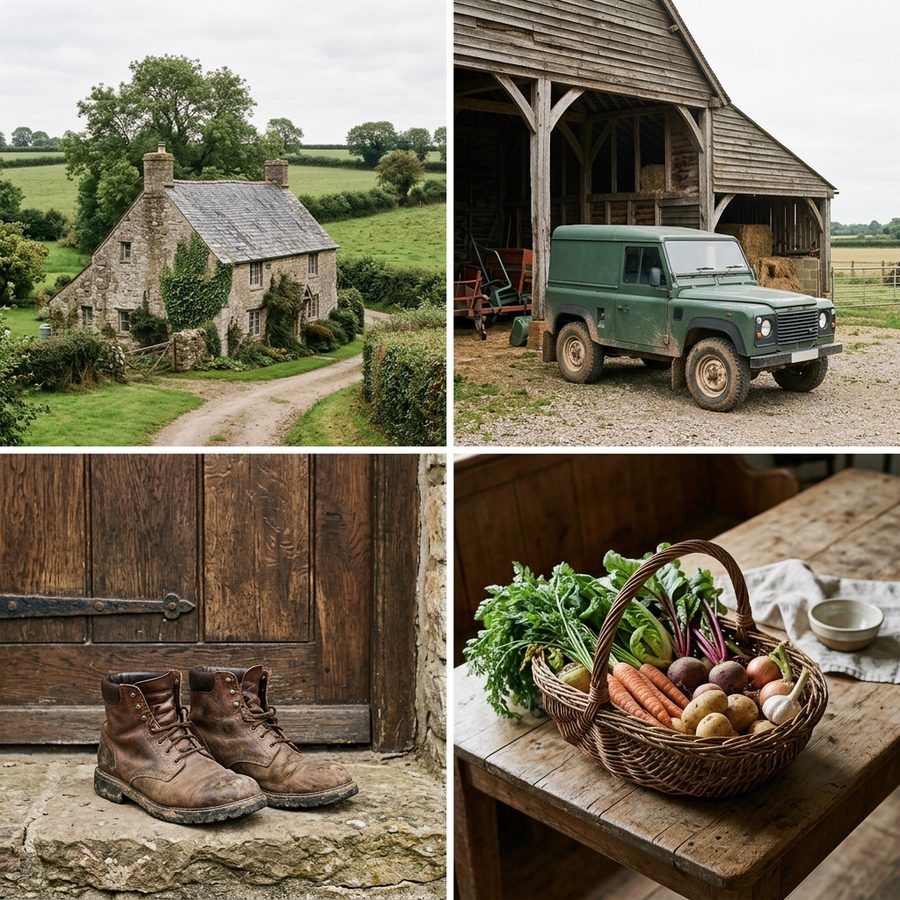
Profile Summary
Rural Tradition describes residents in low-density, agricultural rural plains and farming villages. Their livelihoods are closely linked to farming, forestry, and local rural enterprises. They live in traditional farmhouses or cottages and maintain a highly practical, self-sufficient lifestyle. They are price-conscious, value quality construction in tools and vehicles, and support local farming cooperatives and country events.
Where we shop
Agricultural supply stores, local town markets, discount grocers, and utilitarian online stores.
How we shop
Needs-driven, highly practical. Heavy focus on mechanical reliability, durability, and brand loyalty. Prefers buying in bulk for savings.
How to communicate
Agricultural trade journals, local market noticeboards, rural radio, and local farming networks.
What interests us
Farming, hunting, fishing, agricultural fairs, local heritage, and machinery restoration.
What we look like
Farmers, agricultural workers, and self-employed rural tradespeople, aged 40-75. Traditional, multi-generational rural families with deep land connections.
Where to find us
Low-density rural agricultural plains and farming villages.